
Suitability comes first
Your history, symptom pattern, examination and relevant imaging help determine whether decompression belongs in the conversation.
Why Chino Hills Decompression
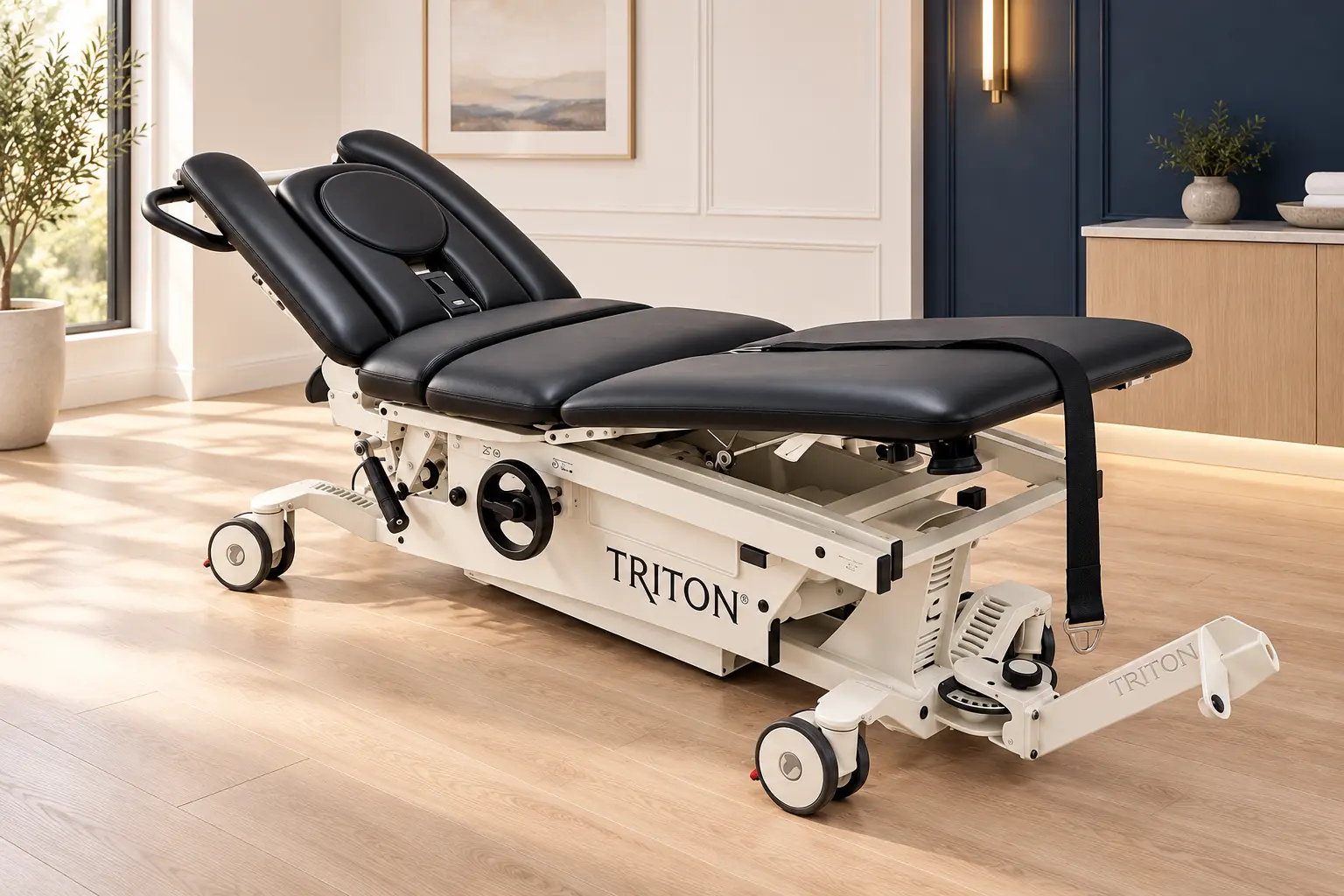
Advanced equipment matters. The decisions made before, during and after each session matter more. Our standard centers on appropriate selection, individualized setup, open communication and progress that is meaningful to your life.
The Difference
A decompression table is not a diagnosis, and a single setting is not appropriate for every patient. A responsible recommendation starts by understanding how your symptoms behave, what daily activities have changed and whether your examination supports a table-based approach.
If decompression is considered appropriate, the region, position, angle and treatment settings are selected with your comfort and response in mind. If it is not the right fit, that should be explained clearly.
See the complete treatment experience →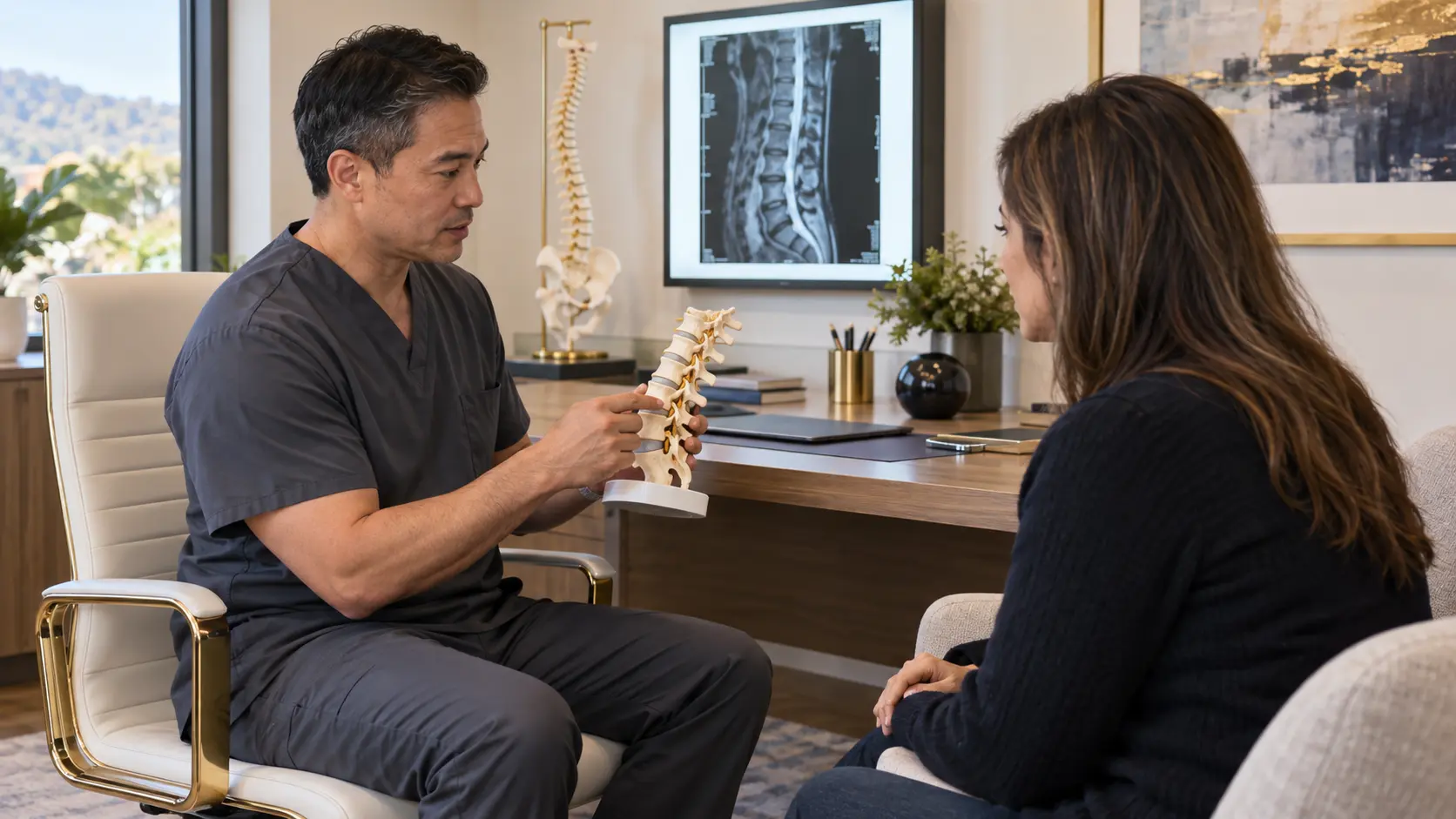
Our Standard
The experience is built to help you understand the reasoning behind care—not simply receive a treatment.
Your history, symptom pattern, examination and relevant imaging help determine whether decompression belongs in the conversation.
Cervical and lumbar presentations require different positions, supports and treatment considerations.
Your response during a session helps guide positioning and settings. You should be able to speak up, pause or ask questions.
The plan should connect to what matters outside the office: sleeping, sitting, walking, driving, lifting and returning to activity.
Care should not continue indefinitely on autopilot. The working plan is reconsidered when meaningful change is not occurring.
No single therapy is right for every pain pattern. Another conservative option or referral may be the more responsible next step.
Results With Context
Numbers can help, but the most useful question is whether care is changing what your symptoms prevent you from doing. Before treatment, meaningful goals are identified so progress has a practical definition.

Patient Perspectives
Individual experiences vary, but clear explanations, modern equipment and a thoughtful approach consistently matter.
“He has this machine that stretches you if you have bulging disks & can help avoid surgery… he has helped me immensely.”
“He took X-rays and explained everything clearly before doing the adjustment—I already feel much better after the treatment.”
“New, cutting-edge equipment for all kinds of physical pain, and a warm-hearted approach with every patient.”
Patient experiences are individual and do not guarantee a particular outcome. Reviews may reference care received beyond decompression.
Choose With Confidence
A trustworthy conversation should make room for these questions before you commit to care.
How will you determine whether decompression is appropriate for my specific presentation?
How are the table position, angle and settings selected?
What practical goals will we use to measure progress?
When will the plan be reassessed or changed?
What happens if my symptoms do not respond as expected?
Our Commitment
We will not promise a cure, suggest that every imaging finding requires treatment or assume that decompression is automatically the answer. The consultation is designed to help determine the responsible next step and explain it in plain language.
Questions Before You Decide
The process begins with individual evaluation and candidacy screening. Positioning, table settings and progress checks are shaped around your clinical picture and response rather than a preset package.
No. Equipment is only one part of responsible care. Individual suitability, accurate setup, communication and reassessment all matter, and no specific outcome can be guaranteed.
Progress may be considered through symptom behavior and practical goals such as sitting, walking, sleeping, lifting and returning to meaningful activities.
No. If your history, examination or safety screening suggests decompression is not appropriate, another conservative approach or referral may be recommended.
Yes. You should communicate changes or discomfort so positioning and settings can be reconsidered, adjusted or paused.
Begin With Clarity
Your consultation begins with your history, examination and goals—not a preset recommendation.