
Cervical facet pattern
Pain may remain in the neck or refer toward the head, shoulder, or shoulder blade.
Spinal Joints · Chino Hills, CA
Facet joints guide movement at the back of the spine. When they become irritated or arthritic, they may contribute to localized neck or back pain—but diagnosis requires more than tenderness or an imaging label.
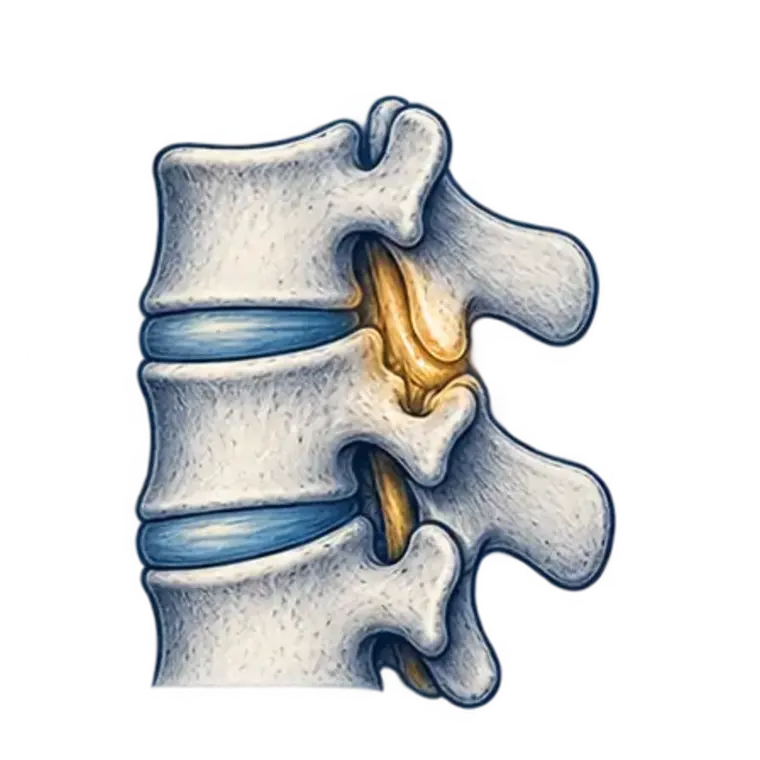
Understanding the Condition
Each spinal segment has paired facet joints behind the disc. These small synovial joints help guide movement and share load. Irritation may follow injury, repetitive extension or rotation, age-related change, altered mechanics, or changes at the neighboring disc.
Facet-related pain is usually described as axial or referred rather than a classic nerve-root pattern. However, symptoms overlap with other spinal sources, and no single movement or imaging finding proves that a facet joint is the cause. A working diagnosis should be tested against the response to an appropriate plan.
Signs & Patterns
Symptoms differ by spinal level, severity, activity, and the structures involved. This list is educational and is not a diagnosis.
Pain may remain in the neck or refer toward the head, shoulder, or shoulder blade.
Pain may remain in the low back or refer toward the buttock and upper thigh.
Joint enlargement can coexist with narrowing near a nerve, creating a mixed presentation.
Seek prompt medical evaluation for new bowel or bladder difficulty, numbness around the saddle region, rapidly increasing weakness, major trauma, fever with severe spinal pain, unexplained systemic symptoms, or sudden loss of balance or coordination.
Individual Evaluation
The purpose of the first visit is to determine the most likely pain generator, identify safety considerations, and establish whether conservative care is reasonable.
Review injury history, daily loads, symptom location, and movements that provoke or relieve pain.
Assess spinal, hip, and shoulder-region movement as relevant, plus strength and neurological function.
Use imaging to understand structural context—not as stand-alone proof that a facet joint is painful.
Reconsider the working diagnosis when the symptom pattern or response does not behave as expected.
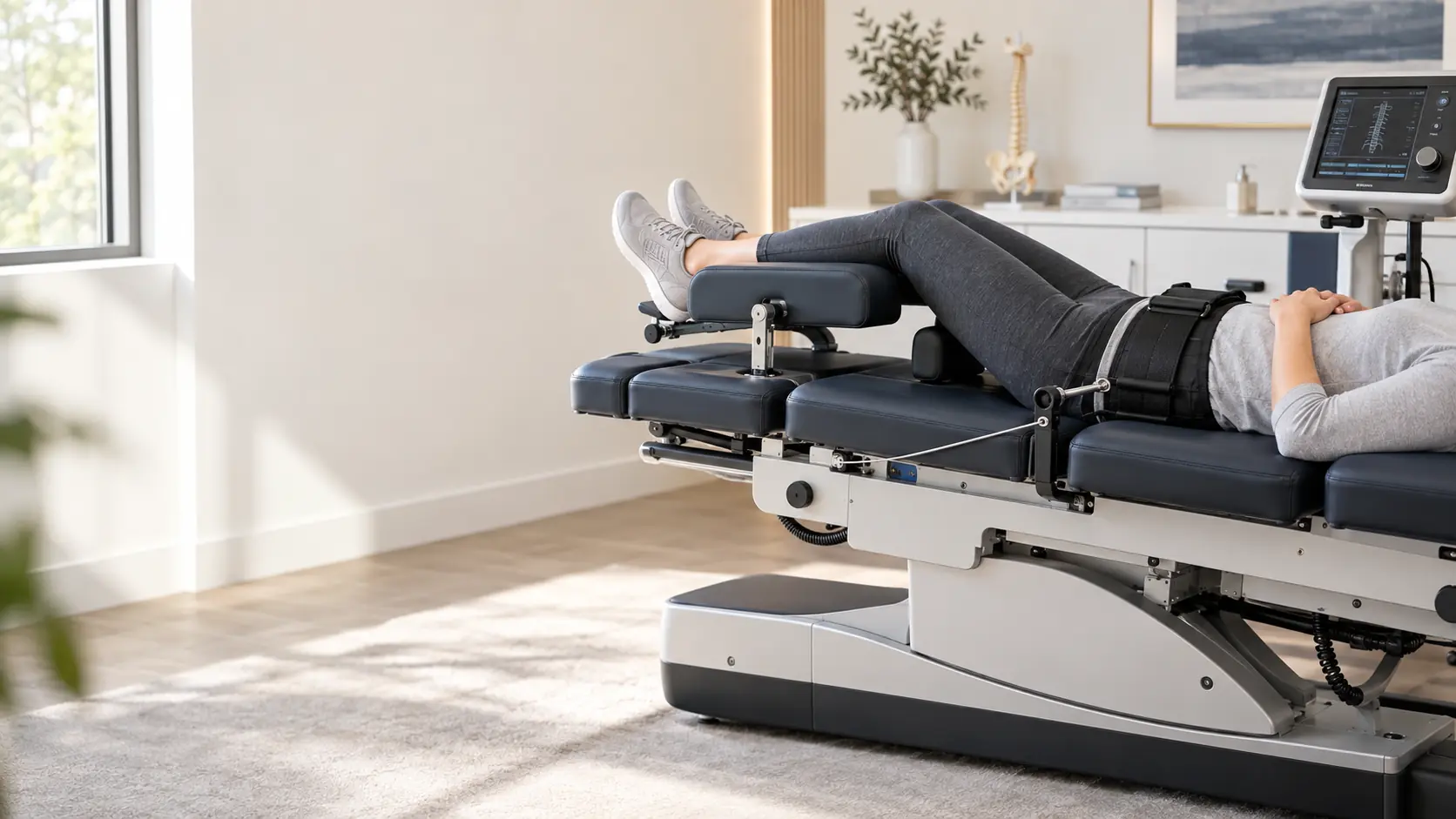
Where Decompression May Fit
Decompression primarily changes spinal loading and is not automatically the best match for isolated facet pain. It may be considered when disc compression, nerve irritation, or combined segment mechanics appear to contribute and the patient is appropriately screened.
Research on traction shows possible short-term benefit in selected lumbar presentations, while study quality, patient selection, and long-term evidence remain limited. Individual results vary.
A Deliberate Process
Review your history, symptoms, neurological status, prior care, imaging, and goals.
If appropriate, begin with tolerable settings and clear measures of function and symptom response.
Continue, modify, combine, or refer based on meaningful progress—not a preset package.
Questions Patients Ask
Facet pain can involve osteoarthritic change, but irritation may also occur without advanced arthritis. Imaging findings and symptoms do not always match directly.
It can refer into nearby regions, but prominent numbness, tingling, weakness, or symptoms farther into a limb raise concern for nerve involvement or another source.
Possibly in a mixed mechanical presentation, but decompression is not automatically indicated for isolated facet pain. The examination should determine the most appropriate approach.
History, movement testing, neurological screening, and imaging context contribute to a working diagnosis. In some medical settings, diagnostic injections may be used when clinically appropriate.
That pattern may occur with facet irritation or spinal narrowing, among other causes. A tailored evaluation is needed before selecting treatment.
Continue Learning
Content is educational, not a diagnosis or guarantee of outcome. Last reviewed 2026-09-14.
A personalized evaluation is the first step toward determining whether decompression—or another path—fits your case.